
Starting a fitness journey can feel overwhelming, especially if you are not sure where to begin. You may want to lose weight, build muscle, improve your strength, increase your energy, or simply live a healthier lifestyle. The good news is that you do not need to be extremely fit or spend hours in the gym to get started.
The key is to create realistic goals, develop healthy habits, and follow a workout routine that fits your lifestyle. In this guide, you will learn how to start a fitness journey, avoid common beginner mistakes, and build a sustainable approach to fitness.
What Is a Fitness Journey?
A fitness journey is the process of improving your physical health, strength, endurance, mobility, and overall well-being through regular exercise and healthy lifestyle choices.
Your fitness journey does not have to look like someone else’s. One person may focus on weight loss, while another may want to build muscle or improve cardiovascular fitness. The most important thing is to identify your personal goals and create a plan that you can maintain consistently.
Remember, fitness is not about achieving instant results. It is about making small improvements that become long-term habits.
1. Define Your Fitness Goals
Before starting a workout routine, decide what you want to achieve. Having clear goals can help you stay motivated and measure your progress.
Common fitness goals include:
• Losing excess body fat
• Building muscle and strength
• Improving cardiovascular endurance
• Increasing flexibility and mobility
• Improving energy levels
• Developing a healthier lifestyle
• Becoming more active in everyday life
Try to make your goals specific and realistic. Instead of saying, “I want to get fit,” choose a measurable goal such as exercising three times a week or improving your strength over the next few months.
Your goals can also change as you progress. What matters is having a clear direction when you begin your fitness journey for beginners.
2. Start Slowly and Build Consistency
One of the biggest mistakes beginners make is doing too much too soon. You might feel motivated on your first day and attempt an intense workout, only to experience extreme soreness and lose motivation a few days later.
Instead, start with manageable workouts.
For example, beginners can start with 20–30 minutes of exercise several times per week. As your fitness level improves, you can gradually increase the duration, intensity, or frequency of your workouts.
Consistency is more important than perfection. A simple workout routine that you follow regularly is more effective than an advanced plan that you cannot maintain.
3. Choose Exercises You Enjoy
Exercise should not feel like punishment. If you enjoy your workouts, you are more likely to continue them.
There are many ways to exercise, including:
• Walking or jogging
• Strength training
• Cycling
• Swimming
• Bodyweight exercises
• Resistance training
• Group fitness classes
• Mobility and stretching exercises
• Home workouts
Experiment with different activities and discover what works best for you.
If you prefer exercising at home, create a workout plan for beginners using bodyweight movements such as squats, lunges, push-ups, glute bridges, and planks.
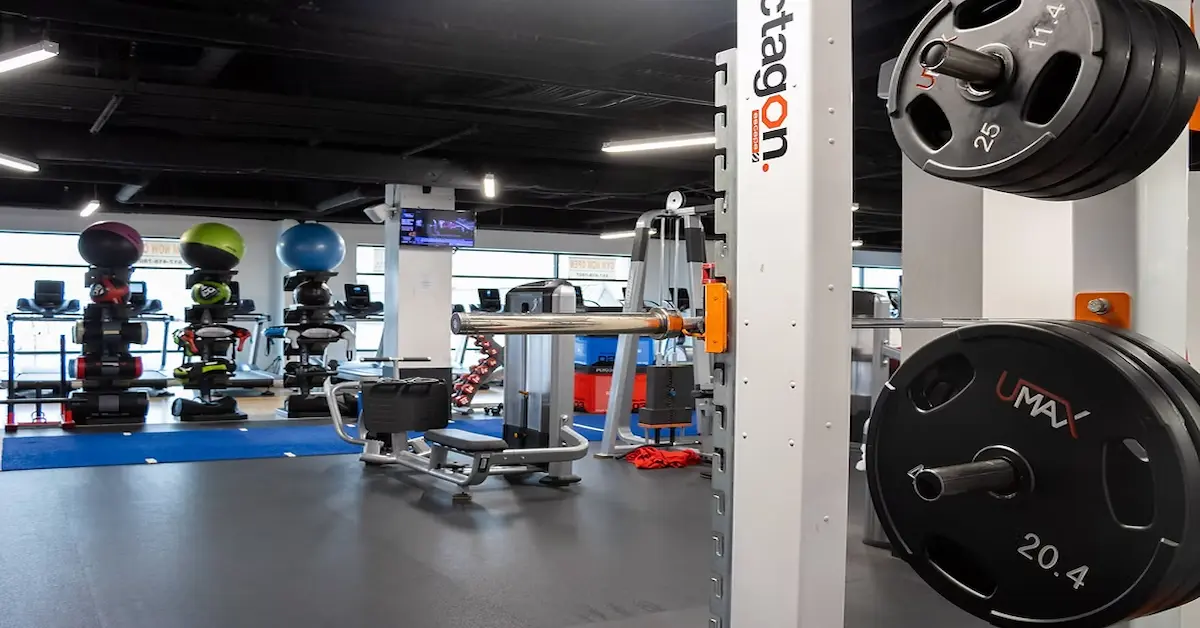
If you enjoy the gym environment, you can gradually learn how to use resistance machines, free weights, and cardio equipment.
4. Create a Beginner Fitness Plan
A structured plan makes it easier to stay consistent. Your beginner fitness plan should include a combination of different types of exercise.
For example:
Monday: Full-body strength workout
Tuesday: Walking or light cardio
Wednesday: Rest or mobility
Thursday: Full-body strength workout
Friday: Light cardio
Saturday: Optional recreational activity
Sunday: Rest
This is only an example. Your routine should depend on your current fitness level, schedule, goals, and experience.
Beginners should focus on learning proper exercise techniques rather than immediately lifting heavy weights or performing high-intensity workouts.
5. Focus on Strength Training
Strength training is an important part of a balanced fitness program. It can help improve muscular strength, support everyday movement, and build lean muscle.
You do not necessarily need heavy equipment to begin. Bodyweight exercises can provide an effective starting point.
Some beginner-friendly exercises include:
• Squats
• Lunges
• Push-ups
• Glute bridges
• Planks
• Step-ups
• Resistance-band exercises
As you become stronger, you can gradually increase resistance or difficulty.
If you are unsure about exercise technique, working with a qualified personal fitness coach can help you learn proper form and create a program suited to your needs.
6. Don’t Ignore Cardio
Cardiovascular exercise is another important part of your fitness journey. Cardio activities get your heart and lungs working and can improve endurance.
Walking is one of the simplest ways to start. You can also try cycling, swimming, jogging, dancing, or other activities that increase your heart rate.
You do not need to perform intense cardio every day. Start at a comfortable level and gradually increase your activity as your fitness improves.
Combining cardio with strength training can create a more balanced workout routine.
7. Pay Attention to Nutrition
Exercise is only one part of a healthy lifestyle. Nutrition also plays an important role in supporting your fitness goals.
Focus on eating a balanced diet that includes a variety of nutritious foods such as:
• Vegetables and fruits
• Whole grains
• Lean sources of protein
• Healthy fats
• Beans and legumes
• Adequate fluids
Your nutritional needs will depend on your goals, activity level, age, and individual circumstances.
Avoid extreme diets or unnecessarily restrictive eating plans. Sustainable nutrition habits are generally easier to maintain than short-term approaches.
If you have specific dietary needs or medical concerns, consider speaking with a qualified healthcare or nutrition professional.
8. Prioritize Recovery and Sleep
Your body needs time to recover after exercise. Rest days are not a sign that you are being lazy—they are an important part of a sustainable fitness routine.
Adequate sleep can also support physical recovery, energy, and overall well-being.
Make recovery part of your fitness plan by including rest days, staying hydrated, getting sufficient sleep, and avoiding excessive training.
If you constantly feel exhausted or experience persistent pain, reduce your training and seek appropriate professional advice.
9. Track Your Progress
Tracking your progress can help you stay motivated and recognize improvements that may not be visible in the mirror.
You can track:
• Workout frequency
• Strength improvements
• Walking or running distance
• Exercise repetitions
• Energy levels
• Flexibility
• Body measurements, if appropriate
Do not focus only on your weight. Fitness progress can also mean becoming stronger, having better endurance, moving more comfortably, or feeling more energetic.
Everyone progresses at a different rate, so avoid comparing your journey with someone else’s.
10. Avoid Common Beginner Mistakes
Knowing what to avoid can make your fitness journey for beginners much easier.
Some common mistakes include:
Doing too much too quickly: Start gradually instead of trying to transform your body in a few weeks.
Skipping warm-ups: A short warm-up can help prepare your body for exercise.
Ignoring proper form: Performing exercises incorrectly can reduce their effectiveness and may increase injury risk.
Expecting instant results: Fitness takes time. Focus on consistent habits rather than quick changes.
Following someone else’s workout plan: A routine should match your goals and fitness level.
Giving up after missing a workout: Missing one session does not ruin your progress. Simply return to your routine.
11. Stay Consistent and Be Patient
The most important lesson when learning how to start a fitness journey is that consistency matters.
You will have busy days. You may occasionally miss a workout or eat something that does not fit your usual plan. That is normal.
Instead of aiming for perfection, focus on getting back on track.
Small actions repeated over time can create meaningful results. A 20-minute workout completed consistently is better than an ambitious two-hour workout that you only do once.
Celebrate small victories and remember that your fitness journey is a long-term process.
When Should You Consider a Fitness Coach?
If you are struggling to create a workout plan, stay motivated, or understand which exercises are suitable for your goals, a fitness coach can provide guidance and accountability.
A qualified coach can help you develop a structured training program, teach proper exercise techniques, monitor progress, and make adjustments as your fitness level changes.
Personalized coaching can be especially useful when you have specific goals such as weight loss, muscle building, strength development, or improving overall fitness.
conclusion
Learning how to start a fitness journey does not require complicated workouts or drastic lifestyle changes. Start by defining realistic goals, choosing activities you enjoy, creating a manageable workout routine, eating a balanced diet, and allowing your body enough time to recover.
Most importantly, focus on consistency rather than perfection. Your fitness journey is unique to you, and progress takes time.
Start with small steps today, stay patient, and build healthy habits that you can maintain for the long term. With the right approach, your fitness journey can become a sustainable part of your everyday lifestyle.